
Roof repair in Prince George
Snow sits, ice forms at the eaves, and a small gap can stain a ceiling by spring melt. Use the contact form and we match you with a local Prince George roofer. The match is free. We do not do the work.
We are a free matching service, not a roofing company. A local roofer does the work and quotes you directly.
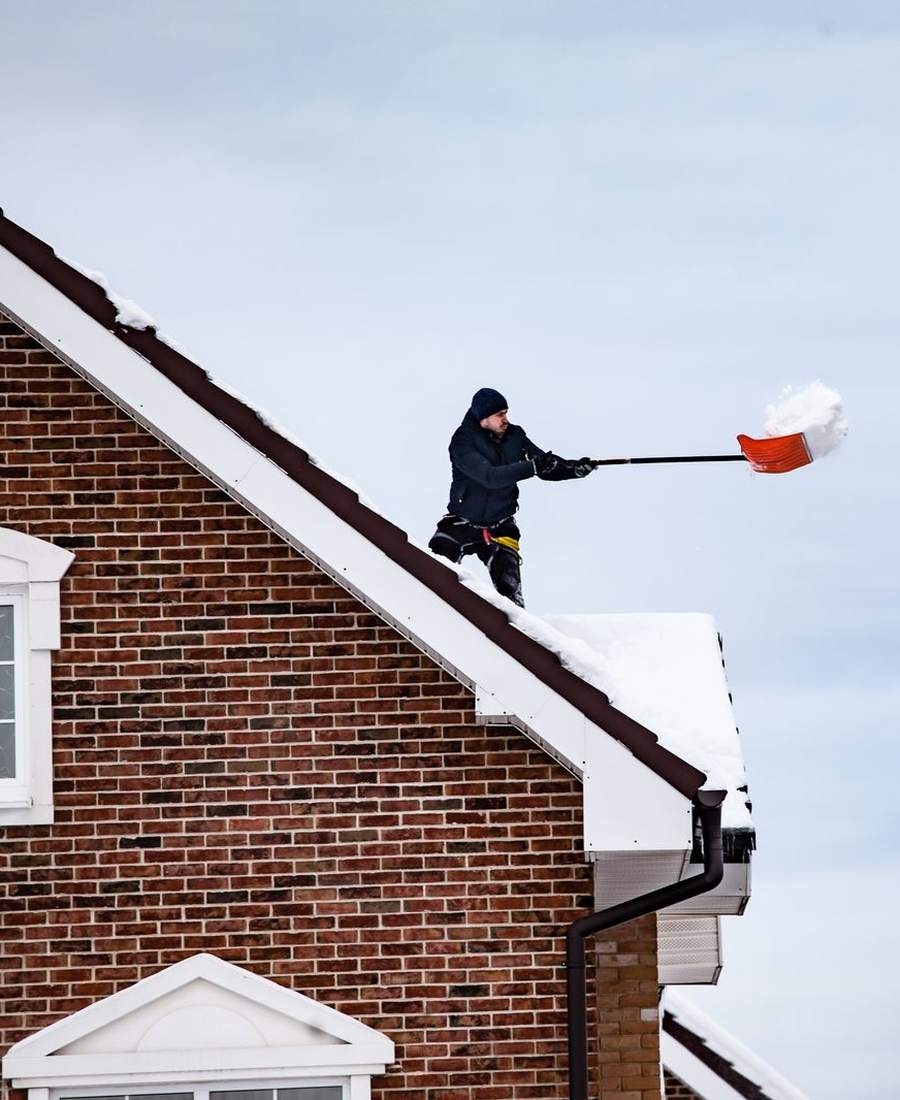
Prince George roofs work harder than most in BC
Long winters, deep snow and constant freezing and thawing. Small weak spots turn into leaks fast.
Snow load
Weeks of heavy snow sit on the roof. Older decking and tired shingles can sag, crack or let go.
Ice dams
Heat escapes, snow melts, then refreezes at the eave. Water backs up under the shingles and into the ceiling.
Freeze and thaw
Water gets into small gaps, freezes and widens them. Flashing and seams are the usual first failures.
Spring surprises
Melt shows you what winter did. Stains, drips and damp attic insulation are the signs.
Icicles on the eave are a warning, not decoration
They usually mean heat is leaking into the attic and an ice dam is forming. Fixing it early costs far less than a wet ceiling.
Send the formWinter roof problems, handled by a local pro
Ice dam and leak repair
Water coming in right now? Call and we will find a roofer who can get out, stop the leak and sort the cause.
Contact us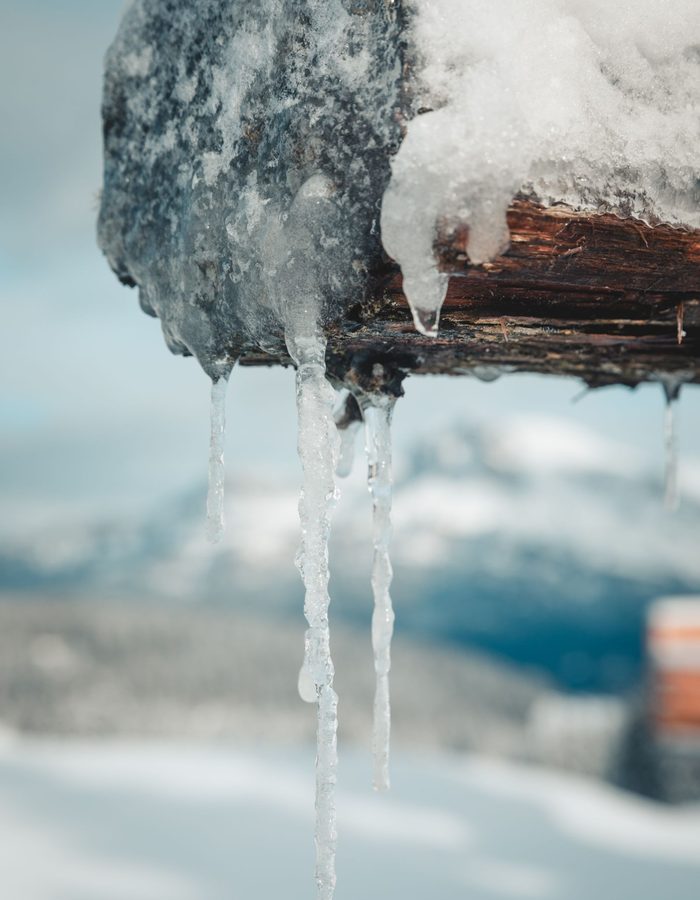
Snow load damage
Sagging, cracked or lifted areas after a heavy snow season.
Flashing and chimney leaks
Chimneys, vents and valleys are where winter water finds a way in.
Shingle repair
Missing, curled or cracked shingles replaced before the next storm.
Attic ventilation
Better airflow keeps the roof cold and the ice dams away.
Emergency tarping
Temporary cover to protect the home until the proper fix.
Metal roof repair
Seams, fasteners and snow guards on metal roofs.
Know what you are looking at
Email [email protected] with your address, what is going on with the roof, and a photo if you have one.
Four steps, no runaround
Send the form
Describe the problem. A photo helps.
We match you
We pick a local roofer who does that kind of repair.
They contact you
The roofer calls, books a look and quotes you directly.
You decide
Say yes or no. The service costs you nothing.
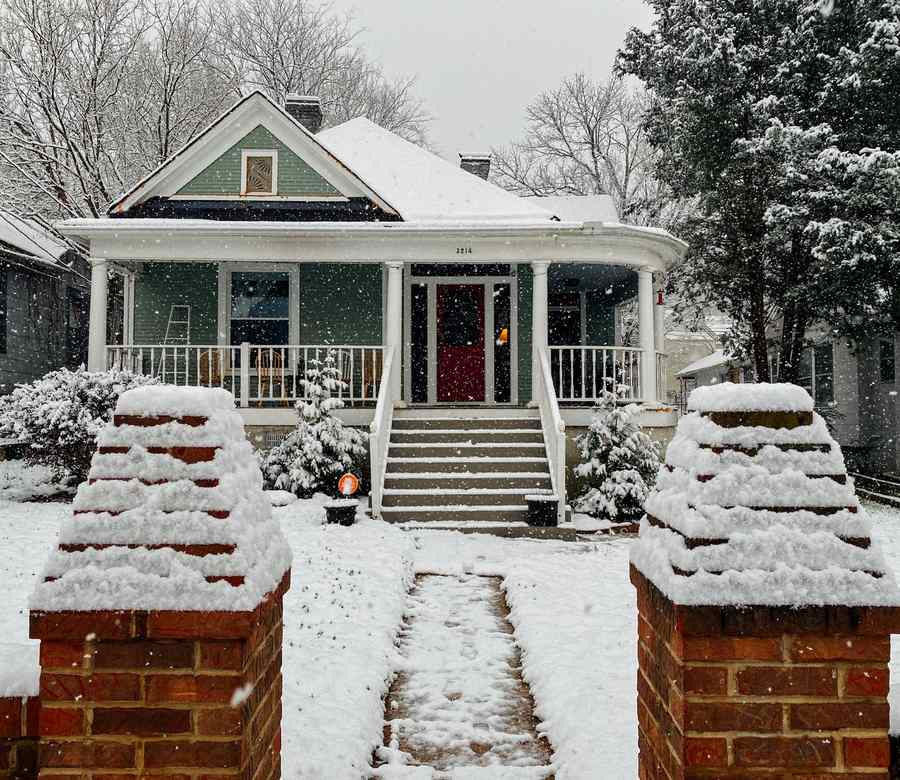
5 questions to ask any roofer
- Who will be on the roof, and what paperwork do they carry?
- Do you carry WorkSafeBC coverage?
- Will you find the cause, not just patch the drip?
- What does the written quote include?
- What warranty covers the repair?
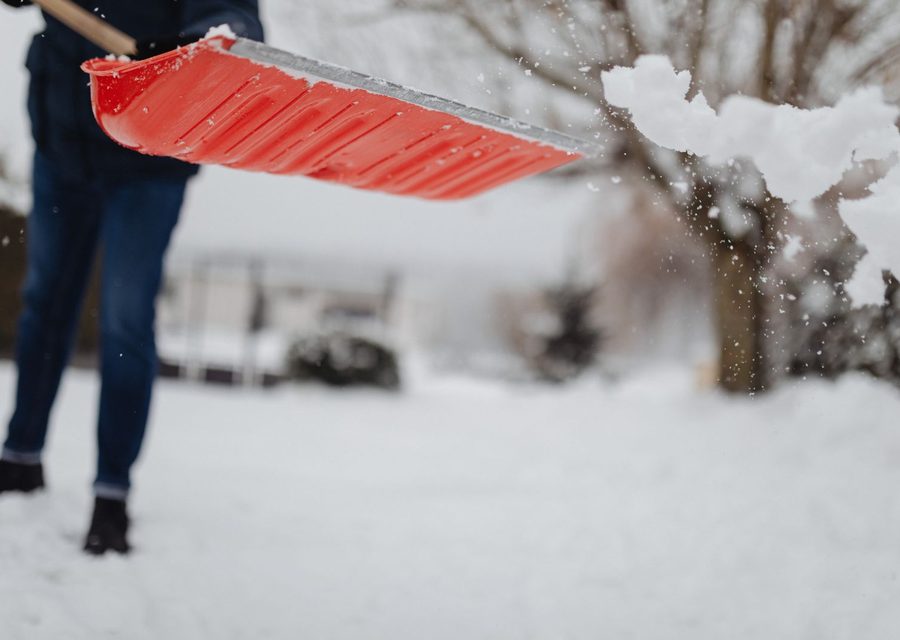
Please stay off the roof
Ice and snow make it dangerous. Let a pro handle it.
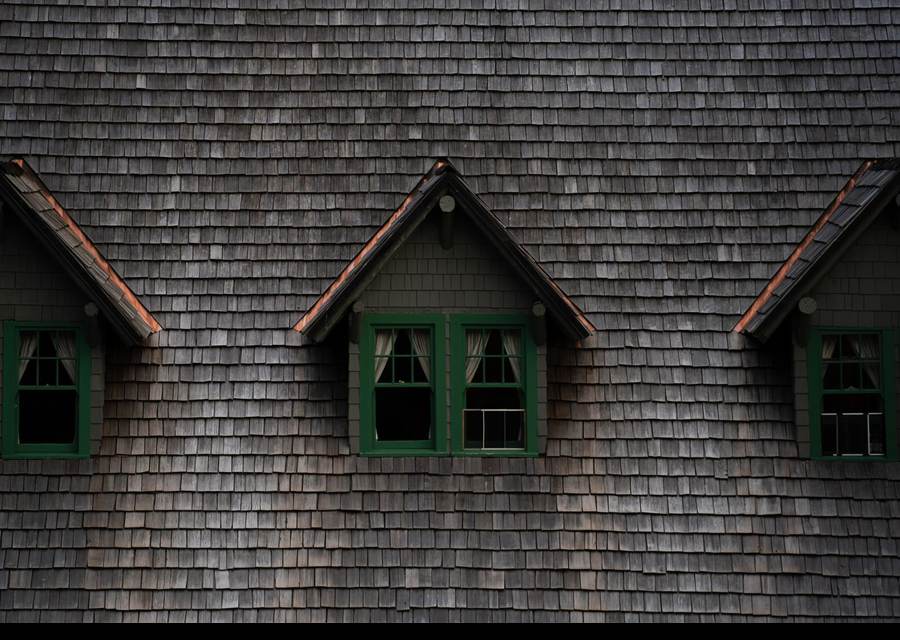
Check the roof surface
Curling, cracked or missing pieces after winter need a pro to look.
Across Prince George
This is a referral, not a roofing company in Prince George
Prince George winter is not a light dusting and a quick thaw. Snow sits. Ice forms at the eaves. A small gap in November can be a stained ceiling in January, or a surprise in March when everything finally melts. The person who should look at that roof is a roofer who already works in this city, who has a way to get on a frozen slope, and who has seen ice dams on Hart Highlands houses and older stock in South Fort George. This site does not send a crew. It does not quote the job from a photo. You describe what the roof is doing, we match you with an independent local roofer, and that roofer contacts you, looks at the house, and quotes you directly. You can decline. The match costs you nothing.
If a friend asks who fixed the leak, the name they should hear is the roofer’s. Not this domain. We are a matching service. That is the whole of it.
How to reach us
Use the contact form. There is no public tracking number on this site yet, so the form is the way in. A short note and a photo, even a dark one taken from the driveway, is enough to start. Say if water is active, if you have icicles along one eave only, or if a room started dripping after a dump of snow. We start matching as soon as we see the note.
A northern Interior city, and what that does to a roof
The City of Prince George counted 76,708 people in the 2021 Census. The census agglomeration, which is the fair figure for about a 20-mile circle, was 89,490. There is no second municipality of any size in that circle. Quesnel and Vanderhoof are well outside it. The housing stock that matters is inside this city and its edges: downtown, the older neighbourhoods, the postwar streets, the later hills, and the rural interface where trees meet back lots.
Winter is the local roofing story. Snow load, ice dams, and freeze-thaw at flashings and seams. Warm air leaking into an attic melts the snow from below; the water runs to a cold eave, freezes, and backs up under the shingles. Icicles along one stretch of gutter are often a warning, not a decoration. This page does not quote a design snow-load number. That figure belongs in the current BC Building Code tables or the City’s building bylaw, and it should be read there, not copied from a blog.
Spring melt is when a lot of people first see what winter did: a drip, a brown ring on a ceiling, damp insulation in the attic, or a soft spot at an eave. Summer is short and is the window for a lasting repair. If water is coming in during a cold snap, the first job is to stop it safely. The lasting fix can follow when the roof can be worked on.
The rural edges of the city also sit in wildfire interface country. This page will not invent a fire history for a street. If ash, embers or a nearby fire have you worrying about the roof, say that on the form so the roofer knows what to look for. There is a longer winter walk-through on snow, ice dams and winter roofs and a focused page on ice dam roof repair.
Neighbourhoods the City already names
The neighbourhood names on this site come from the City-affiliated Move Up Prince George neighbourhoods list, not from a made-up map. Each page is about that place.
Hart Highlands is a distinct north-side community, about a 20-minute drive from downtown, with its own weather exposure and a longer wait if a storm has the highway messy. College Heights grew mid-century and later, near UNBC, with later housing and its own slope and tree pattern. University Heights sits in that same high, later-growth part of the city.
Older and early stock shows up in South Fort George, Millar Addition and the Crescents. Those streets can mean older roof details, tighter lots, and flashings that have been patched more than once. The VLA is postwar Veterans’ Land Act housing, a specific era, not a generic suburb name. Heritage and downtown have their own mix of older buildings and tight access.
West Bowl, which includes the Spruceland area, Austin, Blackburn, Van Bien and Cranbrook Hill round out the set. If your road sits on the edge of two names, say the street on the form. The service area page lists the cluster. A short related page, roofing permits in Prince George, covers the City desk without inventing a rule for every job.
What changes the cost of a winter roof job
A photo of a wet ceiling is not a quote. The roofer who can actually get on the house will look at things like these:
- Whether the leak is an ice dam at the eave, a failed flashing, or a wider tired slope.
- How much snow or ice is still on the roof, and whether a safe temporary dry-in has to come first.
- Access in snow: driveway, pitch, two-storey eaves, and whether a side of the house is boxed in by trees or a carport.
- Decking. Soft or sagging sheathing after a heavy snow year changes the job completely.
- Attic ventilation and insulation, which often sit behind a repeating ice dam.
- Material: shingles, metal, and older built-up sections all fail differently in this climate.
- Disposal and the short summer window for a larger repair.
Ask for a written quote that spells out labour, material, disposal, temporary dry-in, and any permit if one is needed. Matching is free. You pay the roofer only for work you accept.
If the ceiling is dripping in January
Stay off the roof. Ice and snow make a Prince George roof a poor place for a homeowner to walk. Inside, move people and valuables out of the room. Catch the water. A bulge in the drywall can be drained into a bucket with a small hole at the low point. Take photos of the ceiling, the window that shows the eave, and any icicles or ice ridges you can see from the ground.
Do not attack an ice dam with a hatchet or boiling water. You can break shingles and send water into a new place. Say on the form what you already tried, and whether the heat in the house has been running hard. The roofer may talk about ventilation and insulation as well as the shingles. That is part of the same problem, not a sales add-on.
What to send, and what to ask
A useful note names the neighbourhood if you know it (Hart, College Heights, the VLA, downtown, or just the street), the kind of roof if you know that, and whether water is active. Photos from the ground are enough. If a family member is the one who will meet the roofer, say who to call.
Questions worth asking the roofer: Who will be on the roof, and what paperwork do they carry? Do they have WorkSafeBC coverage? Will they look for the cause, including attic issues, or only patch the drip? What does the written quote include? What warranty covers the work? You do not have to hire the first match.
What Prince George roofs are usually made of
Asphalt shingles cover most houses in this city. In a climate with real winter, they spend months under snow, then take freeze-thaw at the edges and at every penetration. Tabs that looked tired in October can be missing in April. Ice at the eave is harder on the first rows than a homeowner expects. A repair might be a few tabs and a flashing, or it might be a conversation about decking that got wet one too many years in a row.
Metal is common on shops, some newer houses, and reroofs where owners want snow to slide. Metal is not a winter-proof promise. Seams, fasteners, rubber washers, and the flashings at walls and chimneys are the usual trouble, and a leak can travel a long way from the hole. Snow guards, where they exist, are part of the roof, not a decoration; a missing or bent one is worth mentioning on the form.
Older neighbourhoods still have sections of older assemblies, patched valleys, and additions that do not match the original roof. Downtown and Heritage streets can mean tighter access, shared walls, and details a production-house reroof never sees. Say what you can see. The roofer will fill in the rest from the ladder, not from this paragraph.
Attics matter here more than people think. A tight, poorly vented attic is a regular partner of ice dams. If you have frost on the underside of the roof deck, a lot of heat in the upstairs rooms, or one eave that grows icicles while the other stays clean, put that in the note. The fix may involve ventilation and insulation as well as shingles. That is a technical point, not a way to inflate a quote, and you can ask the roofer to explain it in writing.
The year on a Prince George roof
Late fall is the last easy window to clean gutters, check flashings, and fix a known weak spot before the snow stays. Once the roof is loaded, a lot of work becomes about safety and temporary dry-in. Mid-winter calls are often ice dams and active leaks. Spring melt is when hidden wet insulation and stained ceilings show up, sometimes weeks after the weather that caused them. Summer is short and is when larger repairs and replacements actually get done. If you can wait for a lasting fix, say so. If you cannot, say that too, so the roofer knows you need a stop-gap first.
Gutters and eaves matter all year, and they matter twice in this city. Ice at the eave, a downpipe that has pulled away, or a valley full of late-spring debris will put water where the shingles cannot help you. There is a page on gutters and ice dams. Use it if the problem looks like drainage as much as a hole.
What a visit from the roofer usually looks like in this climate
In winter the first question is often safety and dry-in, not a full replacement that day. The roofer will want to see the eave, any ice ridge you can show them from the ground, and the room that is wet. If it is safe, they will look at the attic, because ice dams and frost on the decking often start with heat escaping from the house. In summer they can open more of the roof and talk about a lasting repair, including decking if it is soft.
Ask them to separate the emergency stop from the lasting work in the quote, so you can see what you are agreeing to now and what can wait for a better window. Ask them to put materials, disposal, and any permit question in writing. If they need to come back when the snow has come off, that should be plain too.
You can decline and seek another quote. The match is a start, not a contract.
What this site will not do
We will not quote a snow-load figure. We will not tell you to climb up with a hatchet. We will not diagnose an ice dam from a single photo and call it finished. We will not invent a fire history for a back lot on the edge of the city. We will not pretend Quesnel or Vanderhoof is in this service area. And we will not invent a phone number on this page. The contact form is the door. A local Prince George roofer is the one who does the work.
A last local note
This is an isolated city by British Columbia standards. The roofer you want is already here, not someone who will ’be through next month.’ That is why the neighbourhood pages stay inside Prince George, from Hart Highlands down to South Fort George and the VLA, and why the highway towns stay off this map. If you are writing from a rural road just outside the city, say the road and the nearest named neighbourhood. We will be honest if it is outside what we can match.
Checks you can make before winter work starts
Northern roof jobs often get booked in a hurry after a thaw. These are the checks worth five minutes first.
- Pull a free WorkSafeBC clearance letter in the roofer's business name. WorkSafeBC says the homeowner can be on the hook for premiums an unregistered or unpaid contractor owes.
- Ask for insurance and a written scope, not a licence number. WorkBC says roofing certification is not mandatory in B.C.
- The City's current building bylaw is Building Bylaw No. 9482, 2024, which replaced No. 8922. Ask the City building desk whether your job needs a permit.
- This site shows no reviews, ratings or job photos, because none have been collected.
Questions homeowners ask
Are you a roofing company?
No. This is a free matching service, not a roofing company. An independent local roofer does the work and quotes you directly.
How do I get a roofer from this site?
Use the contact form. Describe the leak or the ice dam and attach a photo if you have one. We match you with a local roofer, who then contacts you. There is no public tracking number on this page yet, so the form is the way in.
Does the match cost me anything?
No. You only pay the roofer for work you agree to.
Do I have to hire the roofer you match?
No. There is no obligation. Compare the quote and decide.
Should I get on the roof and chop at the ice?
No. Ice and snow make the roof dangerous, and chopping or pouring boiling water can break shingles and open a new leak. Stay on the ground and send photos.
Why do I have icicles on only one eave?
Often that means heat is escaping into the attic on that side and an ice dam is forming at the cold edge. A roofer can look at the dam, the flashing and the attic ventilation together.
Can I send photos?
Yes. A phone photo of the stain, the eave from the ground, and any ice ridges is enough to start.
Do you quote a snow-load number here?
No. Design loads belong in the current building code tables or the City bylaw. A roofer or designer should read those, not a sentence on this page.
Roof leaking? Let us find you a roofer today.
Free matching. A local Prince George roofer contacts you directly.